10 October 2026
Why Radon in New Construction Still Matters: Testing and Mitigation from the Ground Up
Presented by @radonnewconstructionplace
Building New Does Not Mean Radon Free
When you build a new home, you expect modern materials, updated building codes, and a clean slate. But one hazard can slip through even the newest foundation: radon. This radioactive gas comes from the natural decay of uranium in soil and rock. It moves up through the ground and can enter a house through any opening in the slab or basement floor. Many people assume that because their house is new, radon cannot be a problem. That assumption can cost them their health.
I have been involved in radon testing and mitigation for years, and I have seen plenty of new construction with elevated radon levels. In fact, I have seen more than a few cases where the builder followed code but the house still tested above four picocuries per liter - the EPA action level. The truth is that radon in new construction is a real concern, and it deserves the same attention as any other aspect of indoor air quality. If you are building in St. Louis or anywhere in the midwest, you should plan for radon from the start.
Why Radon Shows Up in New Homes
Radon enters a building through the soil beneath it. Even a brand new concrete slab can have small cracks, gaps around plumbing penetrations, or porous areas where soil gas seeps through. A new house may also sit on land with naturally high uranium content in the bedrock. The local geology around St. Louis includes areas with elevated radon potential, so new subdivisions are not automatically safe.
Another factor is the way modern homes are built. Tight construction saves energy, but it also traps indoor air. If radon enters from below, it builds up because there is less natural ventilation. This is why a passive system alone may not be enough. A well-designed radon mitigation system can handle that load, but only if someone thinks about it before the concrete is poured.
Radon Resistant Construction: What It Means
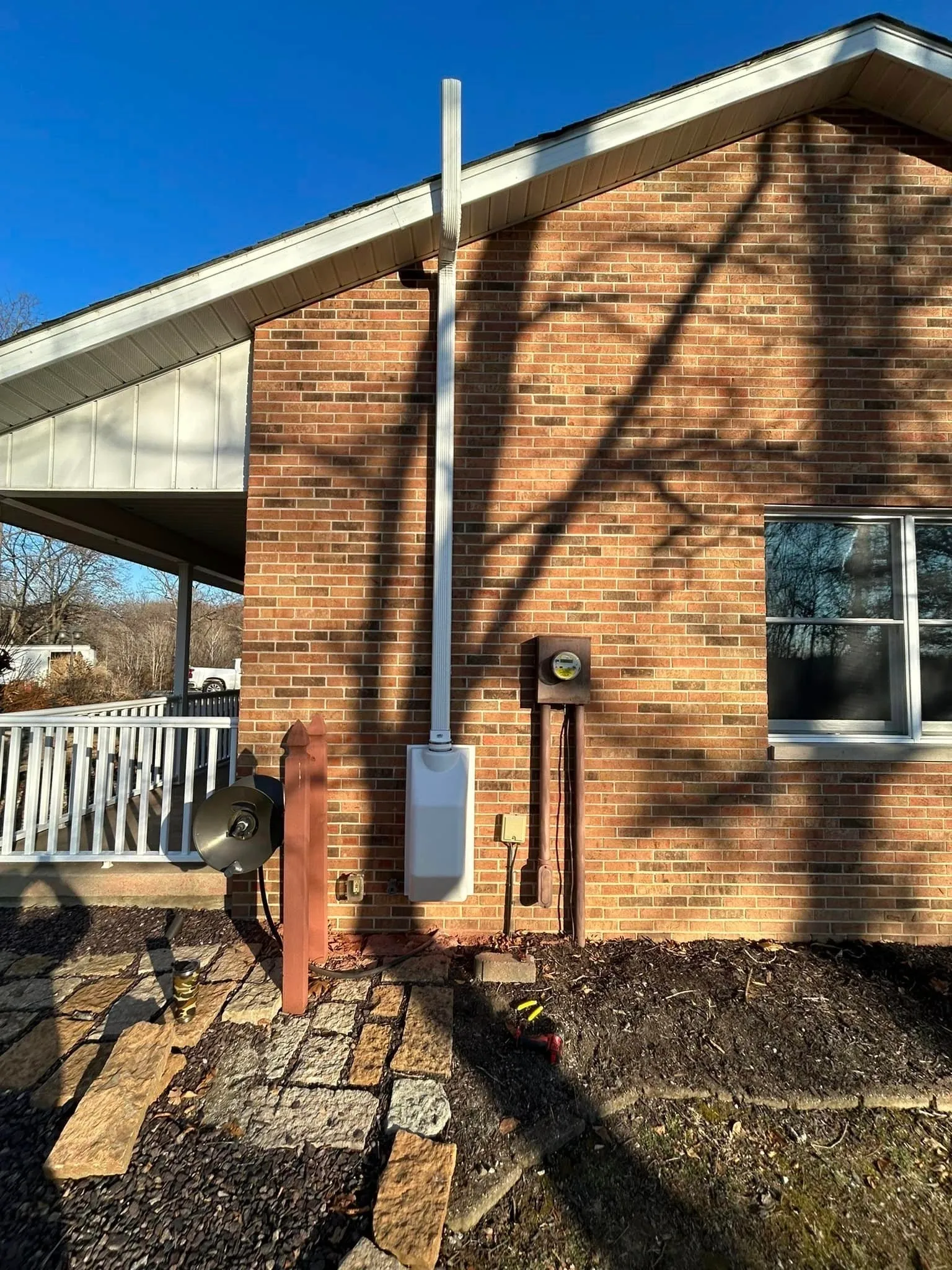
Radon resistant construction is a set of building practices that reduce the entry of soil gas into a home. The EPA and the National Radon Program have published guidance for builders, and many local building codes now require some of these measures. The key elements include a gravel base under the slab, a vapor barrier (usually a thick polyethylene sheet) placed over the gravel, and a layer of sealing cracks around all edges and penetrations. A passive system, which is essentially a vertical pipe running from the gravel layer up through the roof, is also common.
A passive system works by allowing soil gas to vent upward instead of pushing into the house. It can reduce radon levels, but it does not always bring them below the EPA action level. That depends on the soil conditions, the tightness of the slab, and the weather. Many builders install a passive system because it is cheap and meets code, but they never test afterward. That is a missed opportunity. A post-mitigation test would tell them whether the passive system is actually working.
Active Systems: When the Passive Approach Falls Short
If a passive system does not lower radon enough, the next step is an active system. This adds a radon fan to the passive pipe, creating suction under the slab. The fan pulls soil gas from below the foundation and vents it safely above the roofline. This method, called sub-slab depressurization, is the most effective way to reduce radon in a house. It uses PVC piping running from the gravel base up through the house, with the fan usually installed in an attic or outside. A manometer on the pipe shows whether the system is maintaining proper suction.
I have installed many active systems in new construction where the passive system was not doing the job. The difference can be dramatic: radon levels that were at eight or ten picocuries per liter often drop to well below two. The cost is modest compared to the health benefit, and the system runs quietly for years with little maintenance.
Testing Is Not Optional
You cannot know what the radon level is without a test. A home inspection before purchase usually includes a radon test, but if you are building a house, you should test after the house is finished and occupied. The EPA recommends a short-term test in the lowest lived-in level of the home. For a new house, I suggest testing during the first heating season, when the stack effect is strongest and radon entry is most likely.
Radon testing is inexpensive and easy. You can buy a test kit at a hardware store or hire a professional. The key is to follow the instructions: close windows and doors for twelve hours before the test, place the device in a room you use regularly, and send it to a lab afterward. The result will tell you if you need a mitigation system.
One thing I tell every homeowner: do not assume that a new house with a passive system is safe. I have seen too many cases where the builder said "it has radon resistant construction" but the test came back high. The only way to be sure is to test. And if you are buying a new construction home, make radon testing part of your home inspection contingency. It is a small step that can save you a lot of trouble later.
The Role of Building Code and Local Practice
Building codes in many areas now require radon resistant construction for new homes. St. Louis and surrounding counties have adopted some of these provisions, but enforcement varies. A builder may install a gravel base and vapor barrier but skip the sealing cracks around pipes. Or they may stub out a passive pipe but never connect it to the roof. I have seen both. The code is a minimum standard; it does not guarantee a radon-safe home.
If you are working with a builder, ask about their radon plan. Ask if they will install a passive system, and if they will test after construction. Some builders will do a post-mitigation test as part of the warranty. If they will not, consider hiring a radon mitigation contractor yourself after you move in. Companies like Air Sense Environmental in St. Louis specialize in this work and can advise on the best system for your home.
Cost and Value
Radon resistant construction adds a small amount to the cost of a new home. The gravel base and vapor barrier are already part of good foundation practice. The extra PVC piping and sealing work might add a few hundred dollars. An active system, installed later, might cost between $1,000 and $2,500 depending on the complexity. That is a fraction of what you spend on flooring or countertops, and it protects your family from a known carcinogen.
I often tell homeowners that radon mitigation is one of the best investments they can make. It increases the resale value of the home, and it gives peace of mind. If you ever sell, the radon test results and mitigation system documentation will be a selling point. Buyers today are more aware of radon than they were ten years ago.
Radon in New Construction: The Bottom Line
Radon in new construction is not a myth. It is a real risk that depends on soil, foundation design, and construction quality. The good news is that it is manageable. With proper planning, radon resistant construction, and a post-mitigation test, you can keep your indoor air clean. If a passive system is not enough, an active system with sub-slab depressurization will almost always solve the problem.
Do not wait until you smell something or feel sick. Radon has no odor and no immediate symptoms. The only way to know is to test. And if you are building a new home, test after you move in. It is the responsible thing to do for your health and for the value of your home.
A Quick Checklist for New Home Builders
- Ask your builder about radon resistant construction measures.
- Ensure a gravel base and vapor barrier are part of the slab design.
- Request a passive system with PVC piping stubbed out for an active fan later.
- Plan for a radon test after you move in, ideally during the heating season.
- If the test shows elevated levels, contact a qualified mitigation contractor.
Radon is a natural hazard, but it does not have to be a problem in your new home. A little planning now can save you from a much bigger headache later. And if you live in the St. Louis area, there are experienced professionals who can guide you through the process from start to finish.
I have seen too many families move into a beautiful new house only to discover a hidden radon issue a year later. It does not have to be that way. With awareness and a few simple steps, you can build a home that is as safe as it is new.